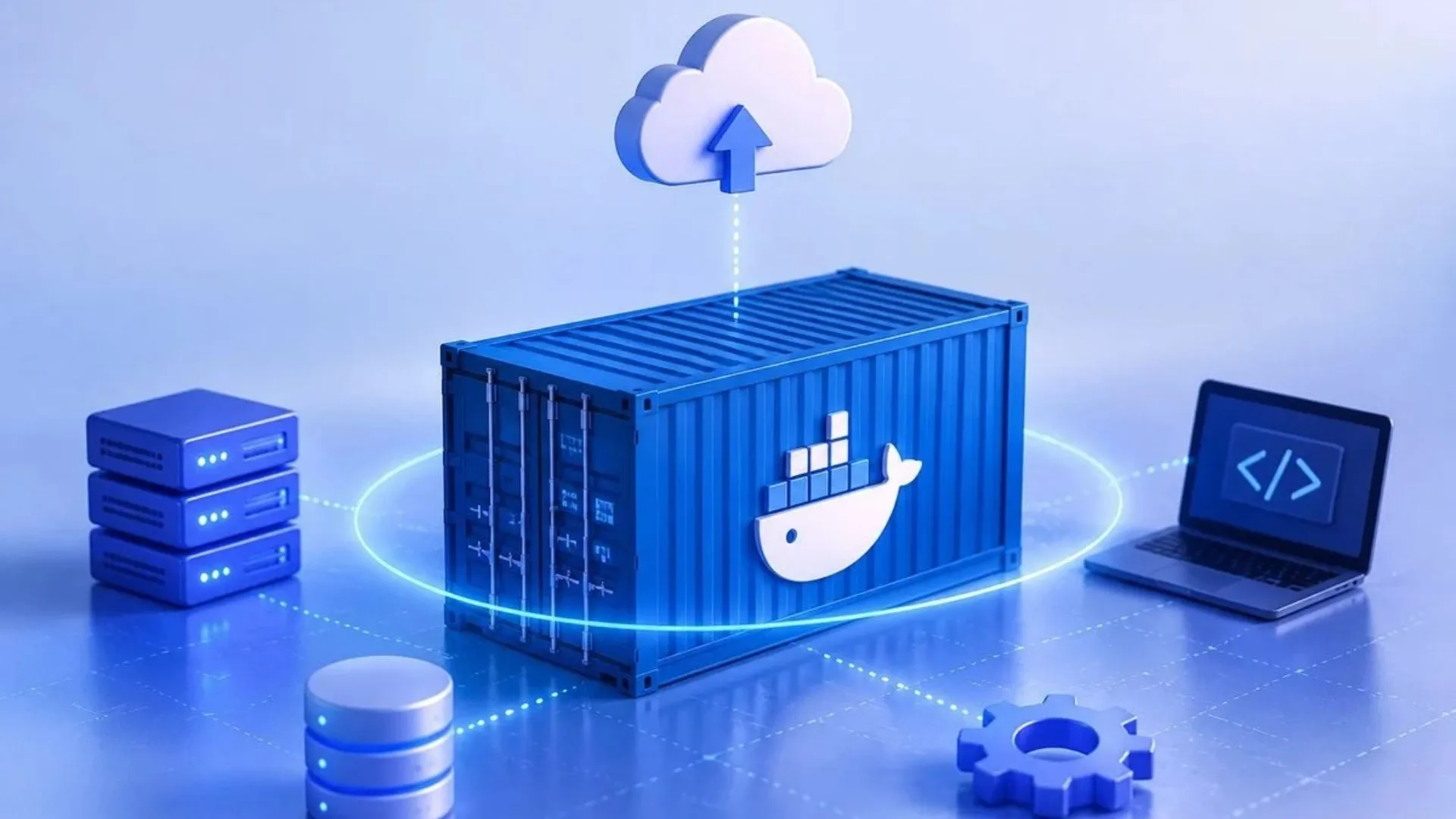
Containerization technologies help businesses understand cloud computing, DevOps, security, benefits, and how modern applications work.
Modern software development requires applications that are fast, flexible, and easy to deploy across different environments. Traditional software deployment often creates problems because applications depend on specific operating systems, libraries, and configurations.
Containerization technologies solve this problem by packaging an application, along with all required files, libraries, and dependencies, into a lightweight unit called a container. Containerization technologies allow software to run consistently across different systems, from personal computers to cloud platforms.
Today, containerization has become an important part of cloud computing, DevOps, microservices, and modern application development.
What Is Containerization?
Containerization is a technology that lets developers package an application and everything it needs to run inside an isolated environment called a container.
A container includes:
• Application code
• System libraries
• Configuration files
• Required dependencies
• Runtime environment
Because everything is included inside the container, the application can run reliably on different platforms without requiring major changes.
For example, a developer can create a container on a local computer and deploy the same container on a cloud server without worrying about environment differences.
Unlike traditional virtualization, containers share the host operating system kernel instead of requiring a complete operating system for every application. This makes containers smaller, faster, and more efficient. Containerization technologies are essential.
How Do Containerization Technologies Work?
Containerization technologies work through several important components:
Container Images
A container image is a blueprint that contains everything needed to create a container.
Developers build images that include:
• Application files
• Dependencies
• Runtime settings
• Software packages
When the image runs, it creates an active container.
Container Runtime
The container runtime is software responsible for creating and managing containers.
Popular container runtimes include:
• Docker Engine
• containerd
• CRI-O
The runtime communicates with the operating system and provides the resources containers need to run.
Container Engine
A container engine helps developers build, run, and manage containers.
For example, Docker allows developers to:
• Create container images
• Start and stop containers
• Manage application environments
• Share containers between teams
Container Orchestration
Managing one or two containers is simple, but large applications may require hundreds or thousands.
Container orchestration tools automatically manage:
• Deployment
• Scaling
• Networking
• Updates
• Monitoring
The most popular orchestration platform is Kubernetes.
AWS also provides container services such as Amazon ECS and Amazon EKS to help organizations run and scale containerized applications.
Types of Containerization Technologies
Application Containers
Application containers package individual applications with their dependencies.
Examples:
• Web applications
• APIs
• Mobile backends
• Microservices
These are the most common containers used in software development.
Operating System Containers
Operating system containers provide isolated environments that share the same operating system kernel.
They are commonly used for:
• Server management
• Cloud hosting
• Testing environments
Cloud Containerization
Cloud containerization lets organizations run container-based applications on cloud infrastructure.
Popular cloud platforms include:
• AWS
• Microsoft Azure
• Google Cloud Platform
Cloud container solutions provide automatic scaling, better resource management, and easier application deployment.
Benefits of Containerization Technologies
Better Application Portability
One of the biggest advantages of containerization technologies is portability, which lets applications run consistently across different environments without compatibility issues. Developers can create an application once and run it almost anywhere:
• Local computers
• Private servers
• Cloud platforms
• Hybrid environments
This reduces compatibility problems during deployment.
Faster Deployment
Containers start much faster than traditional virtual machines because they do not need a complete operating system.
This helps companies:
• Release software faster
• Improve development cycles
• Automate deployments
Efficient Resource Usage
Containers use fewer resources compared with virtual machines because multiple containers can share the same operating system.
This helps businesses:
• Reduce infrastructure costs
• Improve server performance
• Run more applications on the same hardware
Easier Scaling
Containerization technologies make it easier to increase or decrease application capacity.
For example, an online store can quickly create additional containers during high-traffic periods.
Improved Development Process
Containers support modern DevOps practices by creating consistent environments between:
• Developers
• Test teams
• Production servers
This reduces errors caused by configuration differences.
Containerization vs Virtual Machines
Many people confuse containers with virtual machines, but they work differently.
Containerization Virtual Machines
Shares host operating system Uses a complete operating system
Lightweight Larger and heavier
Starts quickly Requires more startup time
Uses fewer resources Uses more resources
Ideal for microservices Good for full system virtualization
Containers are not a complete replacement for virtual machines; instead, they provide a lightweight and flexible approach that works alongside traditional virtualization technologies. Many companies use both technologies together depending on their needs.
Popular Containerization Tools
Docker
Docker is one of the most widely used container platforms, enabling developers to efficiently create, deploy, and manage portable containers for modern software applications.
Kubernetes
Kubernetes is an open-source container orchestration platform.
It helps organizations manage large container environments by automating:
• Deployment
• Scaling
• Recovery
• Load balancing
Amazon ECS and EKS
AWS provides managed container services:
• Amazon ECS for running container applications
• Amazon EKS for Kubernetes-based applications
These services simplify container management in cloud environments.
Container Security: Challenges and Best Practices
Although containers improve application isolation, they still require proper security practices.
Common security risks include:
• Vulnerable container images
• Poor access control
• Misconfigured containers
• Outdated software packages
To improve container security, organizations should:
Scan Container Images
Regularly check images for vulnerabilities before deployment.
Use Trusted Images
Only use container images from reliable sources.
Apply Regular Updates
Keep:
• Container engines
• Libraries
• Applications
updated with security patches.
Limit Container Permissions
Follow the principle of least privilege by giving containers only the permissions they need.
Container security is an important part of modern cloud security because containers share parts of the underlying operating system.
Common Uses of Containerization Technologies
Containerization is used across many industries.
Software Development
Developers use containers for:
• Testing applications
• Creating development environments
• Deploying software
Cloud Computing
Cloud providers use containers to deliver scalable applications.
Microservices Architecture
Containers are highly effective for microservices architectures because they isolate each service, allowing independent development, deployment, scaling, and management.
Artificial Intelligence Applications
AI companies use containers to package machine learning models and their required environments.
Enterprise Applications
Large companies use containers to modernize older applications and speed up deployment.
Future of Containerization Technologies
Containerization will continue to grow as businesses adopt:
• Cloud computing
• Artificial intelligence
• Edge computing
• Microservices
• DevOps automation
Future container platforms will focus on:
• Better security
• Easier management
• Improved automation
• More efficient cloud operations
Container technologies are becoming a foundation for modern software infrastructure.
containerization technology
Containerization technology is a modern approach to software deployment that allows applications and their dependencies to run inside lightweight, isolated containers. Unlike traditional virtualization, containerization shares the host operating system kernel, making applications faster to start, easier to manage, and more resource-efficient.
Technologies like Docker and Kubernetes help developers build, deploy, and scale applications consistently across different environments.
In modern IT infrastructure, containerization technology improves flexibility, portability, and reliability by allowing applications to move seamlessly between development, testing, and production environments.
It is widely used in cloud computing, DevOps, microservices architecture, and enterprise software solutions because it reduces deployment complexity and helps organizations deliver updates faster.
Container technology
Container technology packages applications with all required files, libraries, and dependencies into lightweight containers. It allows software to run consistently across different environments while improving portability, speed, and resource efficiency.
Container technology is widely used in cloud computing, DevOps, and modern application development to simplify deployment and management. It is very helpful for young people in our country. It is true
Containerization in cloud computing
Containerization in cloud computing lets applications run in lightweight, isolated containers that share cloud infrastructure while maintaining consistent performance and security.
It helps businesses deploy, scale, and manage applications faster by improving flexibility, resource efficiency, and portability across different cloud environments. Containerization is widely used in modern cloud platforms, DevOps workflows, and microservices architectures.
What are containerization technologies?
Containerization technologies are tools and methods that package applications with their dependencies into isolated containers, allowing them to run consistently across different environments.
Why is containerization important?
Containerization improves portability, deployment speed, scalability, and resource efficiency for modern applications.
Is Docker a containerization technology?
Yes. Docker is one of the most widely used containerization platforms for creating and managing containers.
What is the difference between containers and virtual machines?
Containers share the host operating system, while virtual machines include their own complete operating system. Containers are usually lighter and faster.
Is containerization secure?
Containerization can be secure when organizations use proper practices such as image scanning, updates, access control, and monitoring.
What is container orchestration?
Container orchestration is the automated management of multiple containers, including deployment, scaling, networking, and monitoring.
Are Kubernetes and Docker the same?
No. Docker creates and runs containers, while Kubernetes manages large groups of containers.
Conclusion
Containerization technologies have changed the way organizations build, deploy, and manage applications. By packaging software with everything it needs to run, containers provide greater flexibility, faster deployment, and improved scalability.
From startups to large enterprises, containerization is now a key technology behind cloud computing, DevOps, and modern software development.
Understanding container technology is essential for anyone working with cloud infrastructure, software engineering, or digital transformation.